Wet N' Wild Irrigation explains commercial lawn irrigation equipment for Schererville, IN vs. residential systems. Call (219) 267-6990 for a free quote!
Need a lawn sprinkler system contractor in Crown Point, IN? Wet N' Wild Irrigation handles permits and insurance. Call (219) 267-6990 for a free quote.
Keep commercial irrigation systems compliant in Crown Point, IN. Call Wet N' Wild Irrigation at (219) 267-6990 for backflow testing and seasonal service.
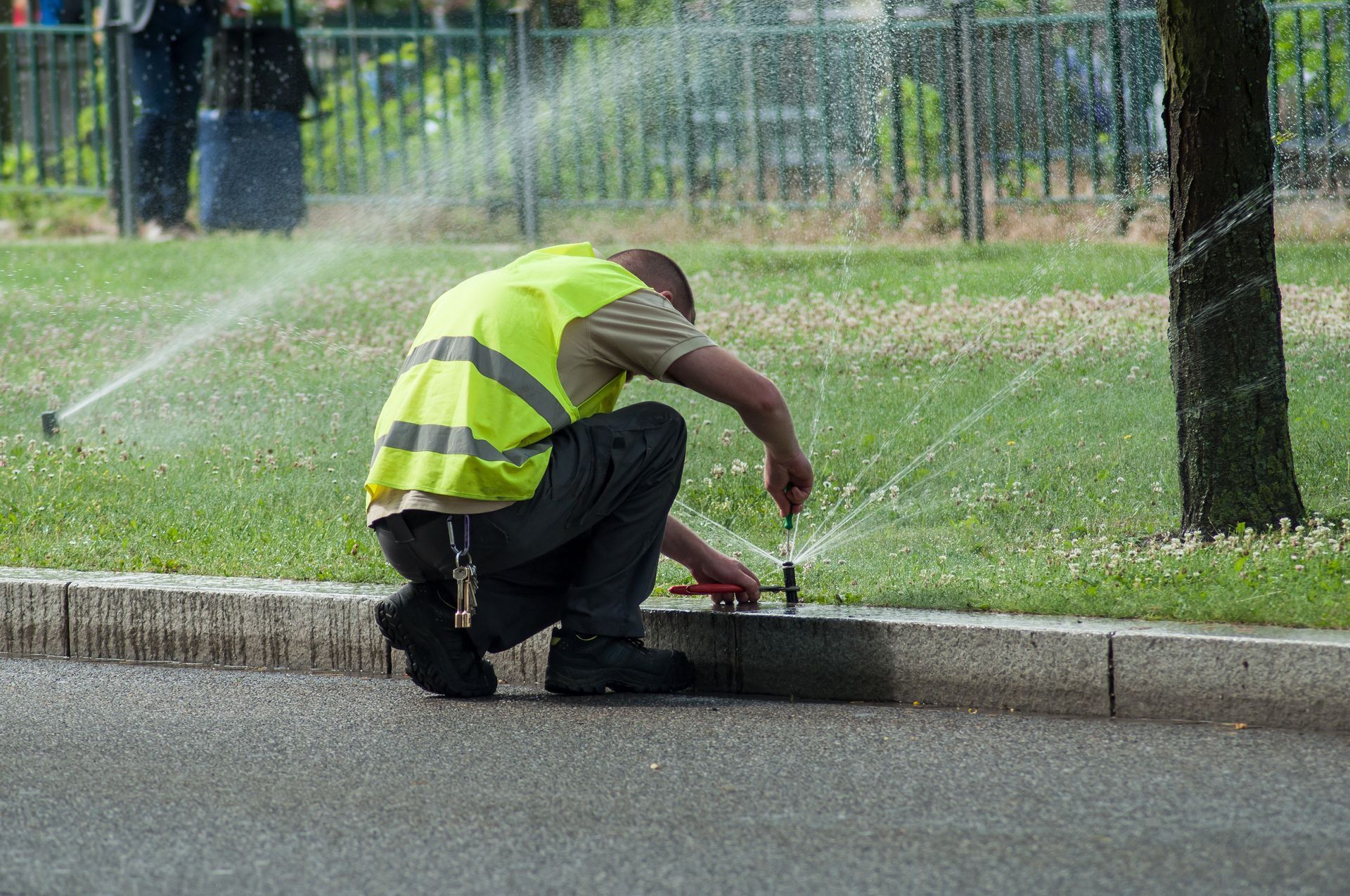
Need sprinkler system repairs for Dyer, IN? Wet N' Wild Irrigation can help. Call (219) 267-6990 before small issues become costly damage.
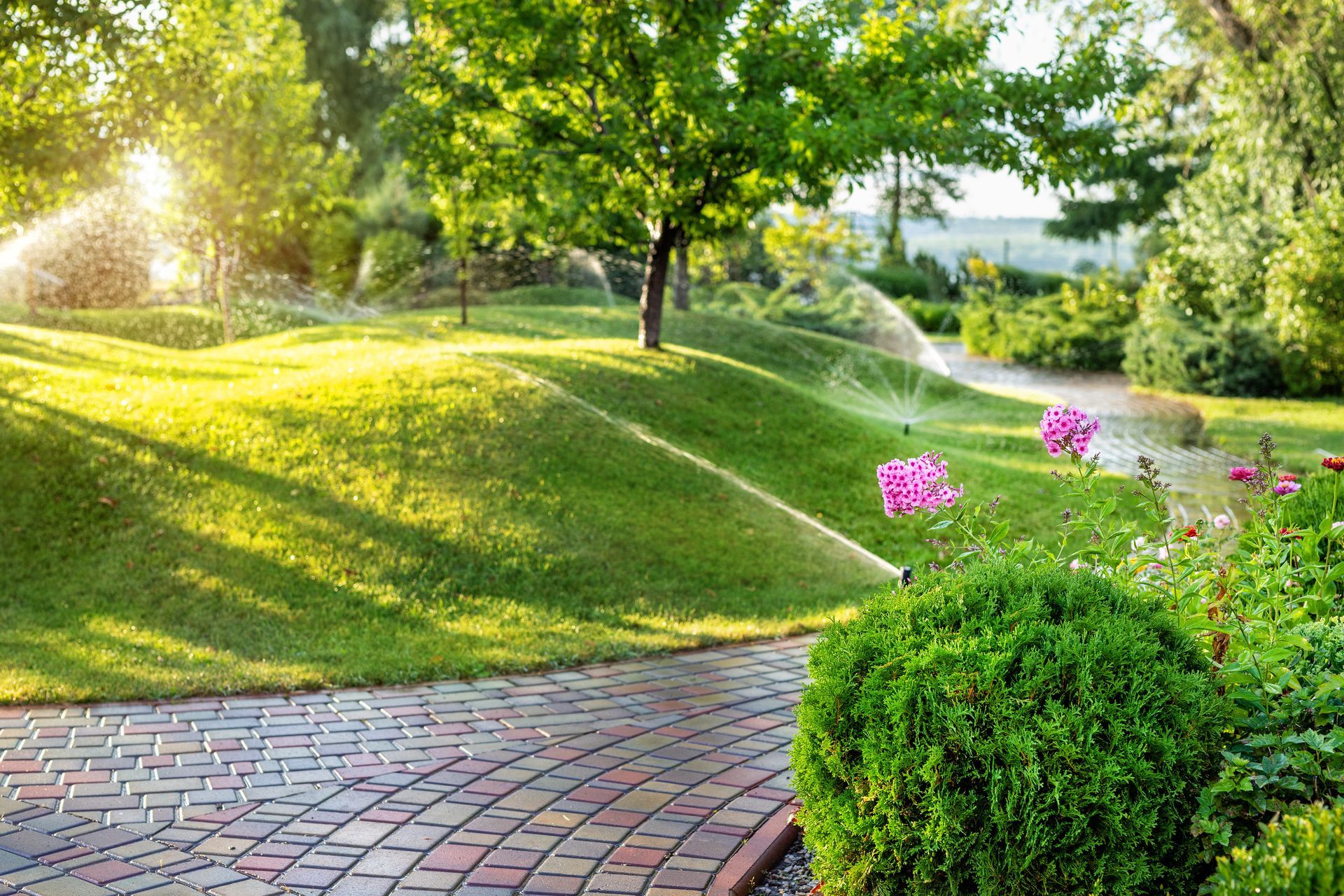
How much do lawn irrigation systems in Crown Point, IN cost? Wet N' Wild Irrigation covers 2026 pricing, zone factors, and permits. Call us at (219) 267‑6990!
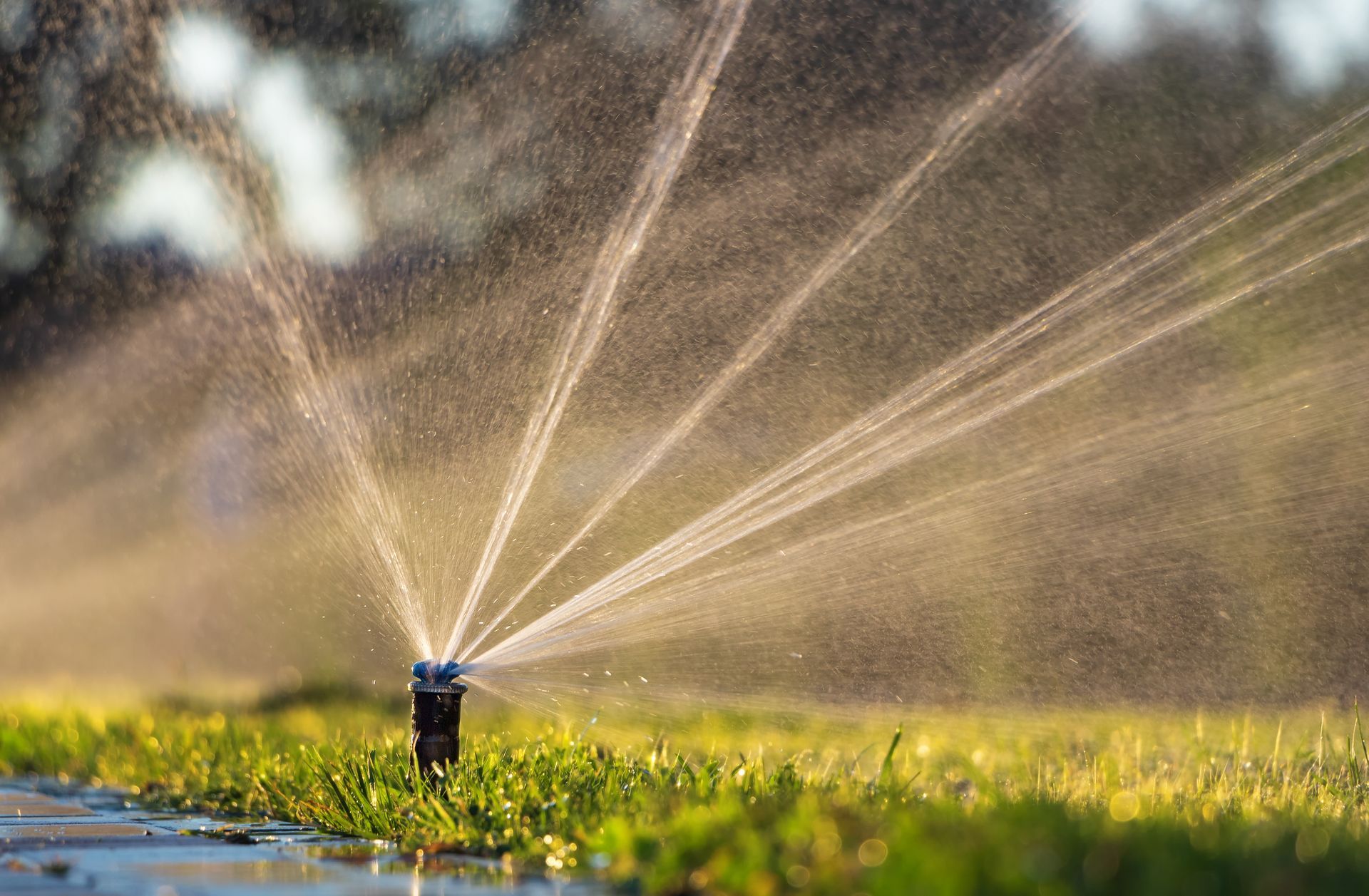
Compare options for lawn irrigation for Crown Point, IN. Wet N' Wild Irrigation helps you choose drip or sprinkler for Indiana clay soil. Call (219) 267‑6990!
Winter can be tough on your lawn irrigation system. Even if your sprinkler system was properly winterized in the fall, months of freezing temperatures, shifting ground, and harsh weather can create hidden issues that aren't noticeable until you turn the system back on. That's why a professional spring startup is one of the most important services for homeowners throughout Northwest Indiana. What Is a Spring Startup? A spring startup is the process of safely reactivating your irrigation system after winter. Rather than simply turning the water back on, a trained technician carefully inspects and tests the entire system to ensure everything is operating correctly. During a professional startup, technicians will: ● Slowly pressurize the system ● Check for leaks and damaged pipes ● Inspect valves and sprinkler heads ● Test each irrigation zone ● Adjust spray patterns and coverage ● Program or update your controller settings This process helps identify problems before they become expensive repairs. How Winter Can Damage Irrigation Systems Northwest Indiana winters bring freezing temperatures that can take a toll on irrigation components. Common issues discovered during spring startups include: Cracked Pipes Water left behind in pipes can freeze and expand, causing cracks that may not be visible until the system is activated. Damaged Valves Freezing temperatures can damage valves, preventing zones from operating correctly. Broken Sprinkler Heads Ground movement and frost heaving can shift or damage sprinkler heads, leading to uneven watering and wasted water. Hidden Leaks Small leaks often go unnoticed until water pressure is restored in the spring. Why Professional Activation Matters Many homeowners are tempted to turn their irrigation system on themselves. However, activating a system too quickly can create water hammer and additional damage if issues already exist. A professional startup helps: ● Prevent costly repairs ● Improve watering efficiency ● Reduce water waste ● Protect your landscaping investment ● Extend the lifespan of your irrigation system Most importantly, it gives you confidence that your lawn will receive the proper amount of water throughout the growing season. Signs Your Irrigation System Needs Attention If you notice any of the following, it's time to schedule service: ● Low water pressure ● Dry spots in the lawn ● Pooling water ● Sprinkler heads not rotating properly ● Uneven spray patterns ● Higher-than-normal water bills Addressing these issues early can save significant money later in the season. Professional Irrigation Services in Northwest Indiana At Wet N Wild Irrigation, we help homeowners throughout Northwest Indiana keep their irrigation systems operating efficiently and reliably. Whether you need a spring startup, irrigation repair, sprinkler head replacement, or a complete irrigation system installation, our team is here to help. We proudly serve Crown Point, St. John, Munster, Dyer, Cedar Lake, Schererville, Valparaiso, and surrounding Northwest Indiana communities. Schedule Your Spring Startup Today Don't wait until a small irrigation problem becomes a costly repair. Call Wet N Wild Irrigation at 219-267-6990 to schedule your spring startup and ensure your irrigation system is ready for the season ahead.

A smart irrigation system is more than just a convenience—it’s an investment in your lawn and the environment. These systems use advanced technology to water your lawn efficiently, adjusting based on real-time weather conditions and the specific needs of your landscape. With features like weather-based scheduling, soil moisture sensors, and remote control via mobile apps, smart irrigation ensures your lawn gets the right amount of water at the right time, rain or shine. Not only does this save water, but it also reduces your utility costs and helps maintain a healthier lawn. Ready to upgrade to a smart irrigation system? Contact us today for a free consultation! Call us at 219-267-6990 or email info@wetnwildirrigation.com .
As temperatures drop, any water left in your irrigation pipes can freeze, causing costly damage like cracked pipes, broken valves, and damaged sprinkler heads. A professional winter blowout ensures that all water is safely removed from your system using high-pressure air, protecting it from freezing temperatures. Scheduling your winter blowout before the first frost ensures your system is ready to go when spring arrives. It’s a quick and affordable service that can save you from expensive repairs in the future. Don’t wait until it’s too late! Schedule your winter blowout with Wet N Wild Irrigation today. Call us at 219-267-6990 or email info@wetnwildirrigation.com